Subtitled A History of The First Sexual Revolution, The Origins of Sex promises to explain how the Western world, and England in particular, went from policing sexual behaviour to a more liberal viewpoint in the eighteenth and nineteenth centuries. Drawing on court records, novels, newspapers, art and debate, Dahoiwala argues that the Enlightenment changed sexual behaviour in ways that still impact us today.
Thoughts:
I was excited about starting this book as I'm usually a big fan of social history. I was instantly hooked by the descriptions of attitudes towards sex in the 1600s, of men and women hanged and beaten for engaging in adultery or pre-marital sex. The idea of sex as part of public life, policed by the community rather than something private seems so foreign to us now.
Dabhoiwala then goes on to explain how attitudes changed. There are four main arguments made throughout the course of the book; that the breakdown of religious authority led to people being allowed to have contrasting views, that the Enlightenment made society more liberal, that women started to have a public voice for the first time and that mass media publicised sex and made celebrities out of famous mistresses. All these factors meant that sex came to be seen as something private, not something to be policed by the legal system or by members of the community.
I found the arguments convincing and the subject matter fascinating but unfortunately reading this book was a struggle. The same arguments were repeated over and over again, just with the use of different examples. I know Dabhoiwala had completed an impressive amount of research, but I don't think the reader needs to hear about all of it in order to appreciate the arguments. The tone of the writing is also very academic and dry and I don't think I would have finished the book if I hadn't agreed to provide a review for it. It's just a shame as the subject is so interesting but yet the writing makes it less so, by the time I was half way through I was wanting to move on to something else.
Verdict: Fascinating subject matter but hard to get through.
Source: From the publisher via NetGalley
Published: 1st May 2012
Score: 2.5 out of 5
Read Alongside:
City of Sin by Catharine Arnold - History of prostitution in London.
Sunday, 29 April 2012
Thursday, 26 April 2012
Going a Bit Crazy at the Library....
Does anyone else have a problem with taking more books out of the library than they can possibly read in the time allocated? I've gone back to work so my reading time has been cut but at the same time going back to work has meant I need a pick me up so I've ended up taking out too many books. I keep telling myself that it's OK as library books are free to borrow but I have so many of my own book and review books to read that I really should steer clear.
Here are my books. Some I already had checked out and some are new:
1. Baba Yaga Laid An Egg by Dubravka Ugresic: I adore the Canongate myth series and this one has appealed to me for a while. I'm not familar at all with the Baba Yaga stories, apart from knowing she is a crazy old woman, and I like that this was written by someone born in Yugoslavia
2. A Continent Called Palestine by Najwa Kawar Farah: This is a memoir of a Christian woman growing up in Palestine as it existed pre-Israel. I find the Middle East fascinating, so I'm looking forward to this.
3. Island of Wings by Karin Altenberg: This was on the Orange longlist and my hold only came in after it failed to get shortlisted. I'm still looking forward to this story of a minister and his wife sailing to the Hebrides in 1830.
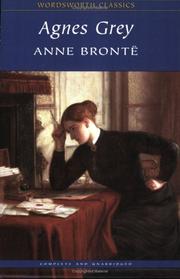
4. Agnes Grey by Anne Bronte: Anne is the only Bronte I have yet to read, and this is quite short, so I'm hopeful I will be able to do it.
5. The Secret Lives of Baba Segi's Wives by Lola Shoneyin: I read the 19th Wife a while back and find the idea of polygamy interesting. I've seen so many good reviews of this one.
6. Madame Tussaud by Michelle Moran: I've read Cleopatra's Daughter and have wanted to read more Moran ever since. So ignoring the two others I actually own, I decided to take one out from the library!
7. Mirrors by Eduardo Galeano: This is a non-linear, non-chronological history of the world told in snapshots. I picked this up randomly and it promises a lot.
8. Daughter of Dust by Wendy Wallace: Wendy Wallace is a journalist who has written about the life of Leila in Sudan, who was shunned by her family and who has experienced female genital mutilation.
9. The Perks of Being a Wallflower by Stephen Chbosky: Just to see what all the fuss is about.
10. The Penelopiad by Margaret Atwood: Because I recommended this in my Song of Achilles post and it made me want to read it again.
11. A Thousand Splendid Suns by Khaled Hosseini: This will be my first Hosseini book, I like the sound of this one better than Kite Runner.
12. March by Geraldine Brooks: Because my Penguin Threads copy of Little Women came in the post finally and I thought this would be a good companion read.
So I have a problem, right?
There's also the fact that despite having all these books out, I chose to read an ARC about the history of sex which is absolutely fascinating but a long, slow reading. I've been reading it since Sunday and I don't anticipate finishing it before next week. Thank goodness for online renewals!
Am I alone in my library addiction?
Monday, 23 April 2012
Before I Go To Sleep by S.J. Watson
Christine wakes up every morning with no memory of who she is or why she has aged two decades overnight. Her husband Ben must explain that she lost her memory in a car crash and each day Christine must come to terms with her condition all over again. But then she starts to be treated by Dr Nash, who encourages her to keep a journal. On the inside cover she has written 'Don't trust Ben!' As her memories start to return, Christine must learn that not everything around her is quite what it seems.
Thoughts:
Before I Go To Sleep is the very definition of a page-turner. I started it on Saturday morning and by lunch time on Sunday I had finished it. Watson cleverly gives you just enough clues in each chapter to keep you guessing and reading on to see if your guess was correct. He also makes things deliberately ambiguous so it's not too easy to guess where the plot is going (although I certainly had a vague idea of what might happen at the end). I've not read too many thrillers but have the feeling that the structure and pacing was perfect in this one.
Christine's condition was dealt with very well too. In the hands of another writer the repetition of each day, of Christine waking up and not remembering anything, could have become very tedious. But Watson manages to keep the writing fresh and you end up feeling very sorry for Christine and rooting for her as she makes more discoveries.
Despite all these strong points, I found Before I Go To Sleep to be only an average read. The majority of the book is written in diary entries and I just couldn't suspend my belief enough to accept that Christine would write dialogue, pages and pages of it, word for word in her journal. Watson told me it was a journal, but it read like a normal story so I never really bought into the concept. The end of the book annoyed me too, after all the horror and violence of the preceding events everything just fits together conveniently and nicely like nothing bad had ever happened. Life just isn't like that. And without going into spoilers, there were quite a few plot holes, especially surrounding Christine's release from a mental health institution.
Verdict: Before I Go To Sleep is a fun, addictive read. Just don't think too much when you read it!
Source: Library (reserved)
First Published: 2011
Score: 3 out of 5
Sunday, 22 April 2012
The Gunpowder Plot: Terror and Faith in 1605 by Antonia Fraser
Pre-blogging, I was a big non-fiction reader. I probably read about 60% non-fiction and 40% fiction and didn't think twice about getting lost in a hefty non-fiction tome for a few weeks at a time. Since I started blogging I've become more aware of all the great fiction books out there and gradually non-fiction has taken a back seat. But every now and again I still get a craving for a history or science book and the urge struck last week, leading me to pick up Antonia Fraser's The Gunpowder Plot.
Synopsis:
On the 5th November 1605 a group of Catholic plotters attempted to blow up the Houses of Parliament with the aim of killing both King James and the government in whole, enabling them to mount a Catholic resistance and gain control of the country. One of the plotters, Guy Fawkes, was caught in possession of gunpowder in the cellar and the plot was foiled. This much every school child in Britain knows but Fraser goes beyond that, looking at the causes of the plot, how it was discovered and the consequences on the minority Catholic community for years afterwards.
Thoughts:
Antonia Fraser is my favourite historian and reading The Gunpowder Plot, I was reminded why. Even though her books are very scholarly and impressively researched, they are written for the non-expert and have the right balance between academics and lively writing. Fraser writes history as a narrative, showing why events happened and the motivations of each historical figure. This makes it very easy to get caught up in the 'story' and reading a Fraser book never feels like a chore.
Whilst reading The Gunpowder Plot, I realised that I didn't know as much about it as I thought I did. For example, Guy Fawkes has got the lion's share of the blame throughout history (we still burn effigies of him on Bonfire Night) but he was really only a minor player. The real mastermind, Robert Catesby, was killed in a musket fight trying to escape the authorities and faded into obscurity.
I was also unaware of the situation facing Catholics in the early 1600s and how that was exacerbated by King James I. After the vehemently Anglican rule of Elizabeth I and the confusion about who would succeed her, James made all sorts of slippery tongued pronouncements about freedom of worship leading Catholics to feel betrayed when this turned out to be just talk. To me as a modern Brit it's hard to understand why Anglicans felt the need to suppress Catholicism but at the time they were not allowed to receive Mass, make confession, have the last rites or get married in a Catholic way. Failure to turn up at your local Anglican church on Sunday would lead to large fines that would be impossible to pay off. Fraser explains why some turned to violence without condoning it.
I also appreciated the links Fraser made throughout with modern terrorism. Although the word terrorism didn't yet exist in 1605, the Gunpowder Plot if it had been successful would have been clearly a terrorist act and Fraser puts it in context with other terrorist attacks and shows that throughout history the causes have been similar. Anyone who thinks terrorism solely comes from Muslim extremists should read this book.
The only criticism I have to make is that parts of this book were too detailed. The plot contained a large number of men by the time of its execution and Fraser tells us about all of them and the links between them and their families. I was able to follow what was going on but felt like we didn't really need to know everything about some of the more minor players, and that this distracted from the more exciting parts of the book.
Verdict: Impressively researched, well written history of the 1605 Gunpowder Plot
Source: Personal copy
First Published: 1996
Score: 4 out of 5
Read Alongside:
Antonia Fraser has written lots of histories but the following are my favourites. I read all of them pre-blogging:
1. Mary Queen of Scots - Biography of Mary showing why she acted the way she did and investigating whether she really was plotting against Elizabeth I
2. Marie Antoinette: The Journey - This is the book the Kirsten Dunst film was based upon and does a great job at showing Marie as a young Austrian princess, unfamiliar with the rules of the French court.
3. The Six Wives of Henry VIII - Shows each wife as a person independent of her marriage to Henry, giving details of their lives before becoming Queen.
Thursday, 19 April 2012
Thoughts On The Orange Prize Shortlist
The shortlist for the 2012 Orange Prize for fiction was announced on Tuesday. As regular readers know, I've been trying to read as many of the longlisted books as possible this year and then predict which ones would make it into the shortlist and even go on to win the prize. It seems that I'm definitely not an expert yet but I have had some small successes.
I was pleased to see Madeline Miller's Song of Achilles make the list as I completely fell in love with the love story of Patroclus and Achilles when I read it. Song Of Achilles remains my pick for the overall prize. Similarly, I very much enjoyed Esi Edugyan's Half Blood Blues, a tale of a black American jazz player caught up in the seizure of Paris by the Nazi's during World War Two. I didn't love it as much as Song of Achilles, but thought Half Blood Blues was a well crafted book with a strong narrator that stands a decent chance of winning.
I also had some success with books I had more lukewarm reactions too as they didn't make the cut. Stella Tillyard's Tides Of War had a decent story of women finding their own way during the Peninsular war but simply had too much going on. Emma Donoghue's The Sealed Letter had a great closing section but a slow start. And Francesca Kay's The Translation of the Bones was lovely, but too quiet and understated for the Orange Prize.
However, I was completely wrong about Jane Harris' Gillespie and I, about an elderly spinster that isn't all she makes out to be. I simply adored the book and felt certain it would be short-listed and was torn between backing this and Song of Achilles for the overall prize. Maybe the judges didn't want too much historical fiction in the shortlist? Or maybe it was too similar to The Sealed Letter? Either way, I was most definitely wrong!
I also dismissed some of the shortlisted books without reading them. I had intended to read both State of Wonder and Painter of Silence already (just waiting for my holds to come in) but I didn't reserve either Foreign Bodies or The Forgotten Waltz. Now that they have been shortlisted I will give them a go, to see if my initial reaction was too hasty.
Have you read any of the shortlist? If so, what would your pick for the prize be?
Monday, 16 April 2012
Gillespie and I by Jane Harris
When the Orange Prize long-list came out, I was ambivalent about whether or not I would read Gillespie and I, especially as I hadn't read the author's debut novel, The Observations. But then in the comments section of my long-list post a few people mentioned that they had heard it was supposed to be very good. So I checked it out from the library and it sat languishing in my room until last week when I suddenly thought "Hang on! The short-list is coming out on Tuesday, I better read Gillespie and I!". And now that I've finished it, all I can say is that I'm kicking myself for not reading sooner and you all need to get hold of a copy of this book, asap!
This review is going to be tricky to write because Gillespie and I is one of those books where the less you know the better and knowing too much would completely ruin the reading experience. It starts in London in 1933 where elderly spinster Harriet Baxter is writing a memoir about the artist Ned Gillespie, who she met during Glasgow's Great Exhibition of 1888. Subsequently she became close to the whole Gillespie family as they went through a traumatic and scandalous time.
And that's all I'm going to say! Harris completely fooled me as I thought this book was going to be a cosy Victorian read but believe me, it's anything but. Harriet Baxter is one of the best examples of characterisation and unreliable narration I've come across in a long time. This is a book to make you question what you think you know about the characters and their motivations, to unsettle you. It's quite a large book but I was completely glued to it, could not put it down, desperate to see if my suspicions about Harriet were correct or not.
So you're all just going to have to trust me on this one as I don't want to spoil anyone's reading experience - this book is amazing. Go and grab a copy and get started!
Source: Library
First Published: 2011
Score: 5 out of 5
Read Alongside:
1. Notes On A Scandal by Zoe Heller - No similarity in plot but the narrators are quite alike. The story is about a female teacher having an affair with a pupil and relies on an older colleague for support.
2. Purge by Sofi Oksanen - Again, the similarity is with the main character and the way she is portrayed by the author. This one is a hard hitting story of sex trafficking and rape in rural Estonia.
Sunday, 15 April 2012
Sunday Salon: Back To Work
So today is the last day of my two week Easter holiday from work and I have a little case of back-to-school blues. It's been lovely sleeping in, going on days out, having time to try out cooking some new meals and of course lounging on the sofa with a good book or two. My blues aren't as bad as Calvin's above but it's always a chore to go back after a nice long break.
Tomorrow I have a training day and then the pupils come back on Tuesday, so at least I'm eased into it gently. I imagine it'll take a day or two to get back into a working routine rather than taking everything at a leisurely pace, then I'll be just fine. I plan to spend the rest of today making the most of last day of the holidays by doing practically nothing at all - just reading, watching trashy TV and maybe a bit of gardening. How are you planning to spend your Sunday?
Books:
Seeing as I've been off work, I've managed to get a decent amount of books read this week. I've finished the following:
And posted reviews for:
Subscribe to:
Posts (Atom)